Refer a friend to Duo Dental Clinic and receive a gift card as our thank you!
August 26, 2026
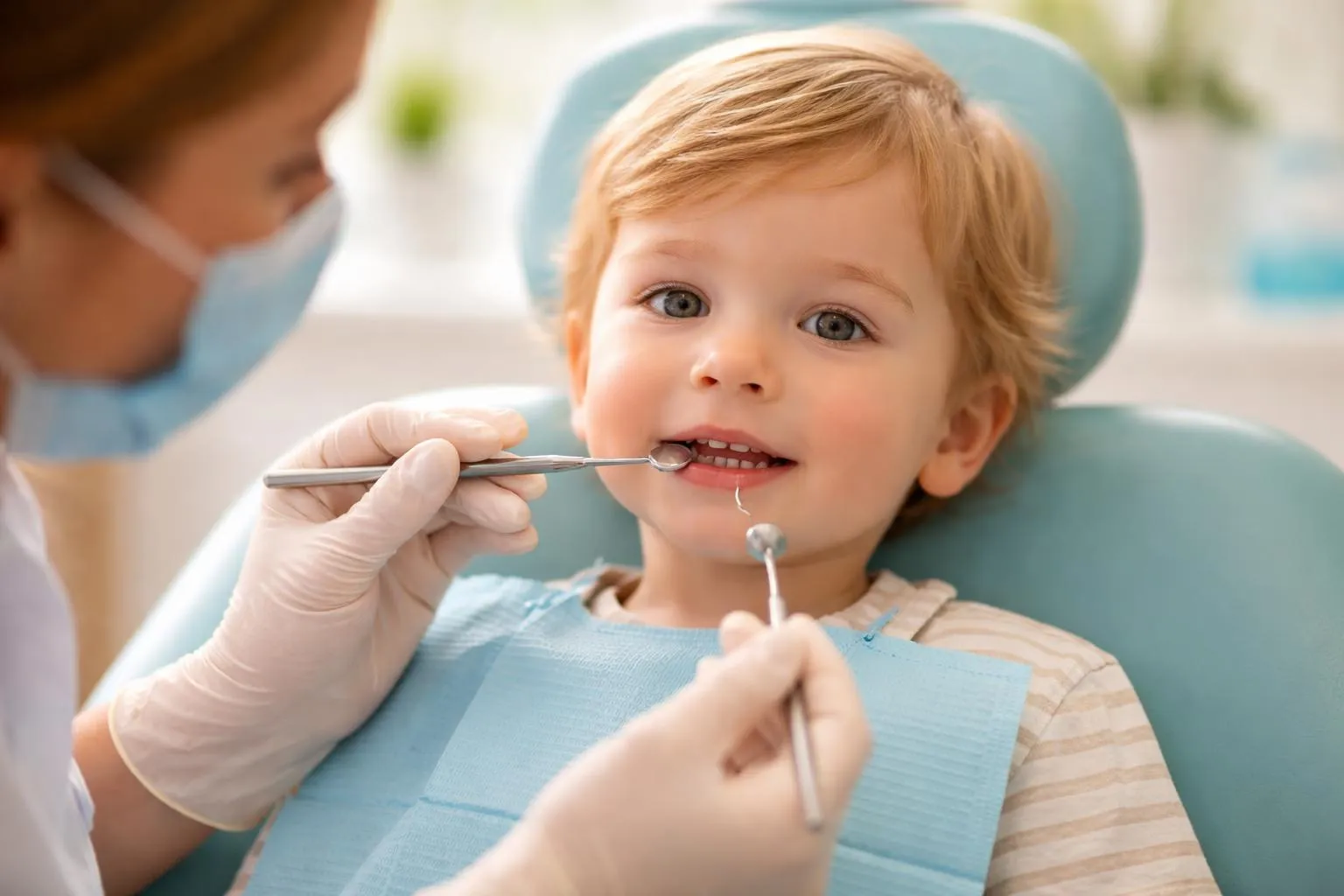
A child’s first dental visit can feel bigger than it sounds. For some parents, it brings relief. Finally, a chance to ask all the questions that have been piling up since the first tooth appeared. For others, it brings nerves. Will my child cry? Will the dentist find something wrong? Did we wait too long?
The good news is that the first visit is usually simple, gentle, and far more about prevention than treatment.
That early appointment introduces your child to dental care in a calm way, before pain or fear has a chance to shape the experience. It also gives parents a clear picture of what healthy oral development looks like and what to watch for at home. In my view, that alone makes the visit worth it. A lot of dental problems in young children do not start with dramatic symptoms. They start quietly.
A common assumption is that children do not need a dentist until all the baby teeth are in, or until school starts. That sounds reasonable at first. But it misses an important point. Dental care begins long before a child can sit still for a full cleaning.
Most dental groups recommend a first visit by the child’s first birthday or within six months of the first tooth appearing. That timing matters because baby teeth matter. They help children chew, support speech development, and hold space for adult teeth. They can also develop decay surprisingly fast.
Early childhood cavities are not rare, and they do not always look dramatic at the beginning. A faint white spot along the gumline can be the first sign of enamel damage. By the time a child is complaining of pain, the problem may be much farther along than a parent realized.
An early visit gives the dentist a chance to spot issues while they are still small and gives you a chance to prevent others from starting.
Parents sometimes picture the first appointment as a test their child has to pass. That is not really the right way to think about it. The first visit is more like an introduction, mixed with a health check and a practical coaching session for the adults in the room.
There are a few main goals.
The first is comfort. A child who gets to see the dental office when nothing hurts is more likely to build a neutral, or even positive, association with it. That matters more than people think. Fear often grows from unfamiliarity.
The second is assessment. The dentist looks at the teeth, gums, bite, jaw development, and soft tissues of the mouth. They check how the teeth are coming in and whether anything looks unusual.
The third is education. Parents leave with advice that fits their child’s age and habits. That can include brushing, fluoride, feeding patterns, snacking, pacifier use, thumb-sucking, and signs of trouble to watch for.
The fourth is planning. Some children just need routine follow-up. Others may need closer monitoring because of a higher cavity risk, enamel concerns, or early bite issues.
That is why the first visit matters. It is not just about what the dentist sees that day. It is about setting direction.
Every office has its own style, and every child has their own personality, so no two first visits look exactly the same. Still, most appointments follow the same general pattern.
For babies and toddlers, the visit often begins with simple introductions and a few minutes of helping the child feel safe. The staff may talk to your child in an easy, upbeat way and show them basic instruments without making it feel dramatic.
If your child is very young, the exam may happen with the child sitting on your lap. In some cases, the dentist may use a knee-to-knee position with the parent, especially for infants. It looks a little funny the first time you see it, but it works well because the child stays close to someone familiar.
The dentist or hygienist will check for obvious cavities, weak enamel, gum irritation, tongue or lip issues, oral tissue concerns, and patterns in tooth eruption. They will also look at how the upper and lower jaws relate to each other and whether the bite seems to be developing normally.
This exam is usually short. For a very young child, even a minute or two of cooperation can be enough to gather useful information.
Some children may have a light cleaning if they are comfortable. Others may not, and that is okay. The first visit is not about perfection.
Parents often get a demonstration of how to brush a young child’s teeth well, especially along the gumline and in hard-to-reach back areas. This can be more helpful than people expect. A lot of parents are brushing regularly but still missing spots.
Fluoride often comes up during the appointment. The dentist may talk about the right amount of fluoride toothpaste for your child’s age and whether fluoride varnish is a good idea. This is one of those topics that can get noisy online, but in practice the conversation is usually very practical: how much, how often, and what fits your child’s needs.
Diet matters a lot in early dental health, and it is not just about candy.
Frequent sipping on milk, juice, or sweetened drinks can raise cavity risk. So can repeated snacking, especially when teeth are exposed to carbohydrates and sugars over and over through the day. Sticky foods deserve special mention too. They hang around.
The dentist may also ask about bedtime bottles, nursing patterns, pacifier use, and thumb-sucking. These are normal parts of childhood, and the goal is not to shame anyone. The goal is to understand what might affect tooth development or cavity risk.
At the end of the visit, you should have a clearer idea of what your child needs now and what should be watched over time. For many families, that means routine checkups every six months. For others, it may mean earlier follow-up or a few home-care changes first.
If treatment is ever needed down the line, it helps to know what common procedures involve. A plain-language guide to common dental treatments can make those conversations feel less intimidating.
One of the best parts of an early dental visit is that parents usually walk out with answers to questions they did not even know they had.
For example, many are surprised to learn that baby teeth can decay fast, especially when children fall asleep with milk or juice pooling around the teeth. Others are relieved to hear that some things they worried about are completely normal, like gaps between baby teeth or minor delays in eruption that still fall within a healthy range.
You may also get specific advice about:
how to clean infant gums and new teeth
when to switch from a smear of toothpaste to a pea-sized amount
what white, yellow, or brown spots might mean
whether your child’s feeding habits affect the teeth
when sealants might be considered later on
how thumb-sucking or pacifier use could influence bite development
That personalized advice matters more than generic internet tips. Kids are different. A child with deep grooves in the molars, frequent snacking, and a history of enamel defects needs different guidance than a child with low cavity risk and straightforward habits.
Preparation does not need to be elaborate. In fact, simple is better.
Here are a few ways to make the first visit easier:
Use calm, positive language. Say the dentist will count their teeth or check their smile. Keep it short and matter-of-fact.
Pick a time that fits your child’s mood. If your child is usually miserable by late afternoon, do not book then if you can avoid it.
Bring comfort items if they help. A stuffed animal, blanket, or favorite toy can make the room feel less unfamiliar.
Avoid passing on your own anxiety. Children are excellent at reading facial expressions and tone. If you sound tense, they will notice.
Bring useful history. Be ready to share feeding patterns, fluoride exposure, medical history, medications, habits like thumb-sucking, and any concerns you have seen at home.
One more thing. If you can, avoid building the visit up as a huge event. “Today is the day the dentist checks your teeth” often works better than a long speech about bravery.
This sounds small, but it makes a difference.
Try not to say things like “Don’t worry, it won’t hurt” or “They won’t give you a needle.” A child who was not worried before may suddenly decide there is something to fear. It also frames the visit around the possibility of pain, which is the exact opposite of what most first appointments are meant to do.
It is also better to avoid using the dentist as a threat at home. “If you eat that, the dentist will be mad” may get a quick laugh, but it does no favors later.
A plain, cheerful tone is usually best.
Even if your child has already had a first checkup, there are times when it makes sense to call sooner rather than waiting for the next routine appointment.
Watch for:
white, brown, or black spots on the teeth
complaints of pain or sensitivity
swollen or bleeding gums that do not improve
bad breath that persists despite brushing
trouble eating, chewing, or drinking
mouth injuries
delayed eruption that concerns you
changes in bite or jaw function
Parents sometimes hesitate because they do not want to overreact. I get that. But asking early is usually better than waiting and hoping a small problem disappears on its own.
For many children, a checkup every six months is the standard routine. That schedule gives the dental team regular chances to track growth, reinforce home care, apply preventive treatments when needed, and catch changes early.
But six months is not a fixed law of nature. Some children benefit from more frequent visits.
A dentist may want closer follow-up if a child has a history of cavities, visible enamel weaknesses, frequent sugar exposure, ongoing bottle use at sleep times, special health care needs, or habits that affect bite development. On the other hand, a low-risk child with healthy teeth and excellent home care may follow the typical six-month schedule without any changes.
The bigger point is that dental care works best when it is consistent. One early visit is helpful. Regular follow-up is what turns that good start into a long-term habit.
It is easy to think of oral health as separate from everything else. In real life, it is not.
A child with dental pain may sleep poorly, eat differently, struggle to concentrate, or become more irritable. Feeding issues can connect to oral discomfort. Speech development can connect to tooth position and oral function. Even confidence can take a hit when a child becomes self-conscious about visible decay or pain.
The first dental visit is a small appointment, but the ripple effects are not small. It gives your child a familiar place to return to, gives you a clearer sense of what healthy development looks like, and creates a plan before problems become urgent.
There is also something quietly valuable about normalizing care. When children grow up seeing dental visits as part of ordinary health, not a punishment and not an emergency, they often carry that attitude forward.
That does not mean every visit will be easy. Some children cry. Some refuse to open their mouths. Some cling to their parent and glare at everyone in the room. Honestly, that is still okay. A successful first visit is not defined by perfect behavior. It is defined by progress, trust, and information.
If your child has their first tooth, or is getting close to their first birthday, it is time to think about that first dental appointment.
Go early, ask your questions, and treat the visit as the beginning of a relationship with preventive care, not a reaction to a problem. Expect a gentle exam, practical advice, and a plan shaped around your child’s needs.
That first visit may look simple on the surface. In many ways, it is. But it can also prevent fear, catch problems sooner, and make daily routines at home much more effective.
For a short appointment, that is a pretty strong return.
Get Started Today
Your oral health matters. Whether you’re visiting for preventive care or urgent treatment, our experienced and caring team is here to help.
.svg)