Refer a friend to Duo Dental Clinic and receive a gift card as our thank you!
August 31, 2026
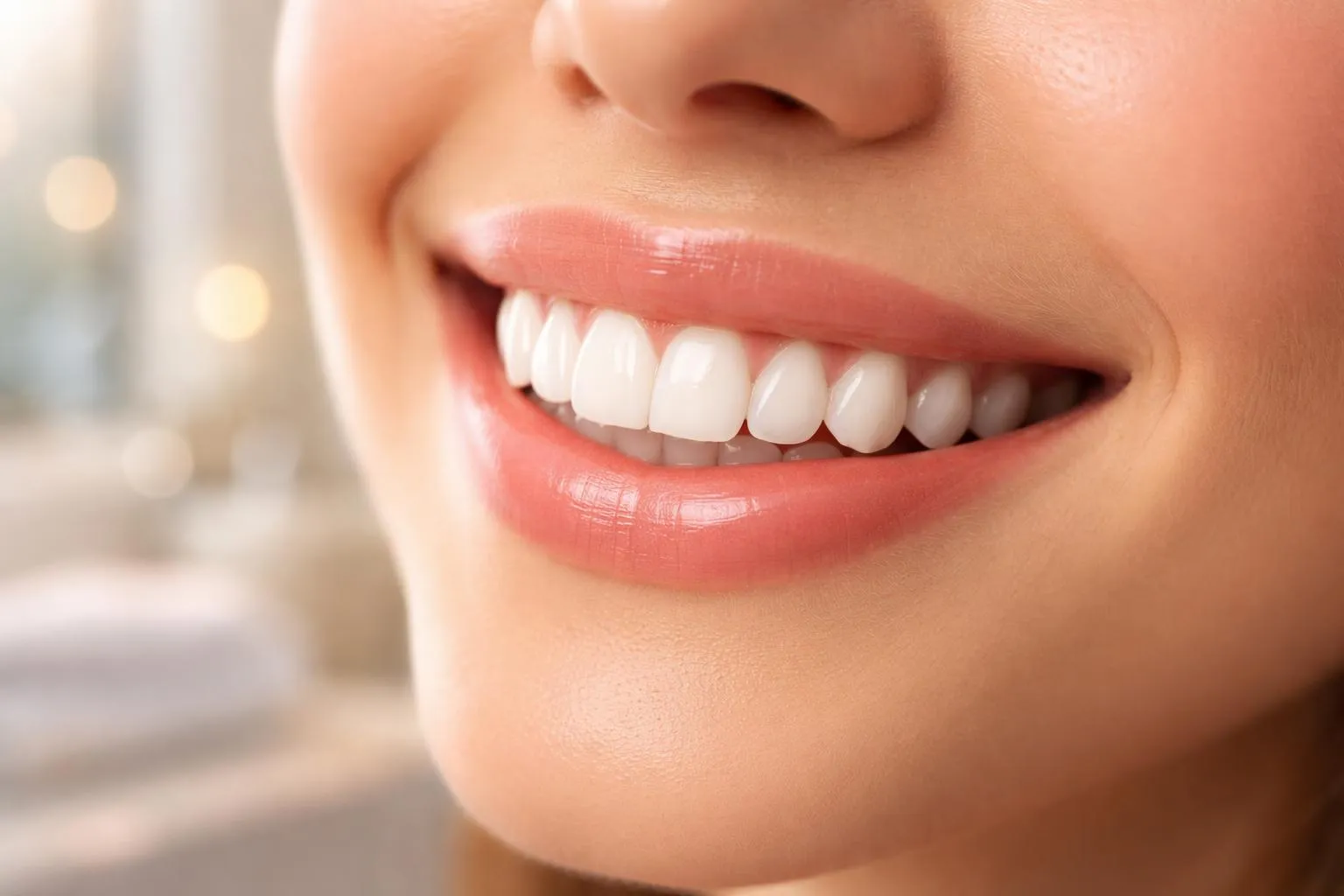
If your teeth seem a little darker at the end of winter, you are probably not imagining it. A lot of people notice the same thing around late February or early spring. The change can be subtle at first. Your smile looks a bit dull in photos. Coffee stains seem more obvious. Whitening toothpaste suddenly feels like it stopped doing much.
Winter has a way of nudging us into habits that are cozy, practical, and not especially kind to tooth color. More hot drinks. More red sauces. Less water. Less crunchy fresh produce. Drier indoor air. A disrupted routine around holidays and busy weeks. None of this means you did something wrong. It just adds up.
The good news is that teeth that look darker after winter often respond well to a few simple changes. Sometimes the fix is better home care. Sometimes it is a professional cleaning. Sometimes it is realizing that the problem is not actually stain at all, but contrast, dryness, or worn enamel.
Here is what is usually going on.
Most winter discoloration is surface stain. Dentists call this extrinsic staining, which is just a technical way of saying color that sits on the outside of the tooth.
That outer surface, enamel, is not perfectly smooth. It has tiny irregularities where pigments from food and drinks can settle. In winter, many of us spend months reaching for the same few things over and over, and several of them are famous for staining teeth.
Coffee and tea are the obvious ones. Black tea can stain as much as coffee, sometimes more. Red wine is another repeat offender, especially around the holidays. Tomato sauces, curries, soy sauce, balsamic vinegar, berries, and dark colas can all leave color behind too.
The issue is not one cup of coffee or one pasta dinner. It is frequency. If you sip a drink slowly over a couple of hours, your teeth stay exposed longer. If you snack often, your mouth has less time to recover between exposures. Winter tends to encourage exactly that sort of grazing pattern.
There is also more plaque in the picture for many people. When plaque sits on teeth, pigments cling to it easily. Even small slips in brushing or flossing can make staining look worse than it really is.
This part surprises people. Your teeth may not just be stained. They may be dry.
Saliva does a lot of quiet work. It rinses away food particles, helps balance acids, and keeps the mouth comfortable. When the air is dry and indoor heating runs nonstop, many people deal with a drier mouth without thinking much about it. Mouth breathing, congestion, and some cold medications can make that worse.
When the mouth is dry, plaque and stain stick around more easily. Dry teeth can also lose a bit of their natural shine. That glossy, clean look fades, and the surface can seem flatter or darker.
You might notice this if you wake up with a sticky mouth in the morning, or if your lips and throat feel dry all winter. It is not just annoying. It can affect how your smile looks.
Sometimes teeth do not actually get much darker. They just appear darker.
In summer, skin tone often deepens slightly from time outdoors, even with sunscreen and reasonable care. That bit of warmth can make teeth look whiter by comparison. In winter, paler skin, darker clothing, and indoor lighting can all change how your smile reads in the mirror.
This is part of why some people suddenly think their teeth have “yellowed” in January, even when the real shift is modest. The stains may be real, but the contrast makes them easier to notice.
I think this matters because it helps keep expectations sane. Not every change needs a major fix. Sometimes your teeth need cleaning. Sometimes they need hydration and a routine reset. Sometimes they look worse under bathroom lighting than they do anywhere else.
There is another layer to the winter problem. It is not always only pigment. It can also be enamel wear or enamel roughness.
Holiday sweets, frequent snacking, citrus, wine, and acidic drinks can soften enamel temporarily. If you brush too hard or brush right after something acidic, you can irritate that surface instead of helping it. Over time, rougher enamel catches more stain. As enamel thins, the yellower dentin underneath shows through more clearly.
That is why some people say, “My teeth are clean, but they still look darker.” They may be noticing the tooth itself, not just what is on top of it.
This is also where prevention matters. Protecting enamel is part of keeping teeth bright. If you want a deeper look at how fluoride helps strengthen enamel and why dentists recommend it, this plain-language guide on fluoride treatments and enamel protection is worth a read.
It helps to know the difference between common types of discoloration, because the fix depends on the cause.
Surface stain is the easiest to deal with. It comes from coffee, tea, wine, tobacco, and pigmented foods. A professional cleaning often makes a noticeable difference because the color is sitting on the outside.
Deeper discoloration is different. Teeth can darken from aging, enamel wear, old dental trauma, certain medications taken during tooth development, or changes inside the tooth. Whitening may help some of these cases, but not all of them. Veneers, bonding, or other treatments are sometimes what actually solves the appearance problem.
There is also spot discoloration. White spots, brown patches, or one tooth turning gray are not the same thing as general winter dullness. Those changes deserve proper attention, especially if they are new.
When people notice darker teeth, the impulse is often to buy the strongest whitening product on the shelf. I get it. But jumping straight to harsh whitening can backfire, especially if the teeth are dehydrated, sensitive, or coated with plaque and tartar.
A smarter approach is to reset the basics first.
Start with your cleaning routine. Brush twice a day with a soft-bristled brush and fluoride toothpaste. Floss or clean between your teeth daily. If you use an electric toothbrush, even better, as long as you are not pressing too hard.
Rinse or drink water after coffee, tea, or wine. You do not need to become a monk about staining foods. Just shorten the contact time. Finishing a drink in one sitting is usually better than sipping it for hours.
Bring water back into the day on purpose. If winter left you mildly dehydrated, your mouth probably feels it. Better hydration supports saliva, and saliva helps keep teeth cleaner.
Add crunchy, water-rich foods again. Apples, cucumbers, celery, carrots, and similar foods do not “clean” teeth the way social media sometimes claims, but they can help stimulate saliva and reduce that coated-mouth feeling that comes with heavier winter eating.
Get a professional cleaning if you are due. This is often the step people postpone, then regret. Surface stain and tartar do not brush off well at home once they are established.
Think about whitening after the cleaning, not before. Whitening works better on a clean surface, and it is easier to judge what you actually need once stain and buildup are removed.
This slower approach is less dramatic than a weekend whitening binge, but it usually gives better results and fewer problems.
There are a few common mistakes that make the situation worse.
The first is brushing harder. People do this all the time because darker teeth feel like a cleanliness problem. But force does not scrub away deep stain. It can wear enamel, irritate gums, and make teeth look more yellow over time.
The second is stacking too many whitening products at once. Whitening toothpaste, strips, mouthwash, charcoal paste, and home remedies used together can leave teeth sensitive without producing the bright result people want.
The third is using abrasive DIY fixes. Baking soda has limited use in some toothpastes when formulated properly, but random scrubbing with abrasive mixtures is not gentle enamel care. Lemon juice is another bad idea. It is acidic, and acid plus scrubbing is a rough combo for teeth.
The fourth is whitening without knowing the cause. If a tooth has darkened after an injury, or if the color change is isolated to one area, that is not a “just bleach it” situation.
This question comes up a lot, and it matters because people mix the two up.
A professional cleaning removes plaque, tartar, and surface stain. It does not bleach the natural color of the tooth. If your winter dullness is mostly coffee, tea, and buildup, a cleaning can make a bigger difference than you expect.
Whitening changes the shade of the tooth itself by using peroxide-based products to break down stain molecules within the tooth structure. It can lift the overall colour, but it works best when the surface is already clean.
So if your teeth got darker after winter, a cleaning is usually the first checkpoint. Whitening may come after that, if you still want a lighter shade.
Most post-winter discoloration is harmless and fixable. Still, some changes should not be brushed off.
Call a dentist sooner if you notice:
one tooth getting darker than the others
brown or white spots that seem to be spreading
tooth pain, sensitivity, or swelling along with discoloration
bleeding gums and heavy buildup
a tooth that changed colour after a fall, hit, or old injury
A gray or dark tooth can mean the nerve inside the tooth has been affected. White or chalky areas may point to demineralization. Brown patches can sometimes be stain, but sometimes they are early decay or old filling edges catching pigment. This is where guessing gets unhelpful.
You do not need a perfect routine to avoid the yearly “why do my teeth look tired?” moment. A few practical habits go a long way.
Try to keep staining drinks to mealtimes instead of all-day sipping. Use a straw for iced coffee or cold tea if you like it and it feels realistic. Stay on top of cleanings. Replace a worn toothbrush or brush head. If your mouth gets dry in winter, pay attention to hydration and talk with a dental professional if it is persistent. Dry mouth is not just a comfort issue.
And maybe the most underrated tip, do not wait until your teeth look dark to pay attention. Small habits are easier than spring panic.
Teeth often look darker after winter for ordinary reasons. More staining drinks, more pigmented comfort foods, less water, drier air, more plaque, and a bit of enamel stress can all play a part. Sometimes there is actual staining. Sometimes there is just enough buildup, dryness, or contrast to make your smile look less bright.
The fix is usually less dramatic than people fear. Clean thoroughly. Hydrate. Cut down the all-day sipping. Get a professional cleaning if you are due. Then decide whether whitening is still worth it.
Spring is a good time for that reset. Not because you need a perfect smile, but because winter has a habit of leaving little traces behind, and your teeth are often one of the first places you notice them.
Get Started Today
Your oral health matters. Whether you’re visiting for preventive care or urgent treatment, our experienced and caring team is here to help.
.svg)