Refer a friend to Duo Dental Clinic and receive a gift card as our thank you!
April 21, 2026
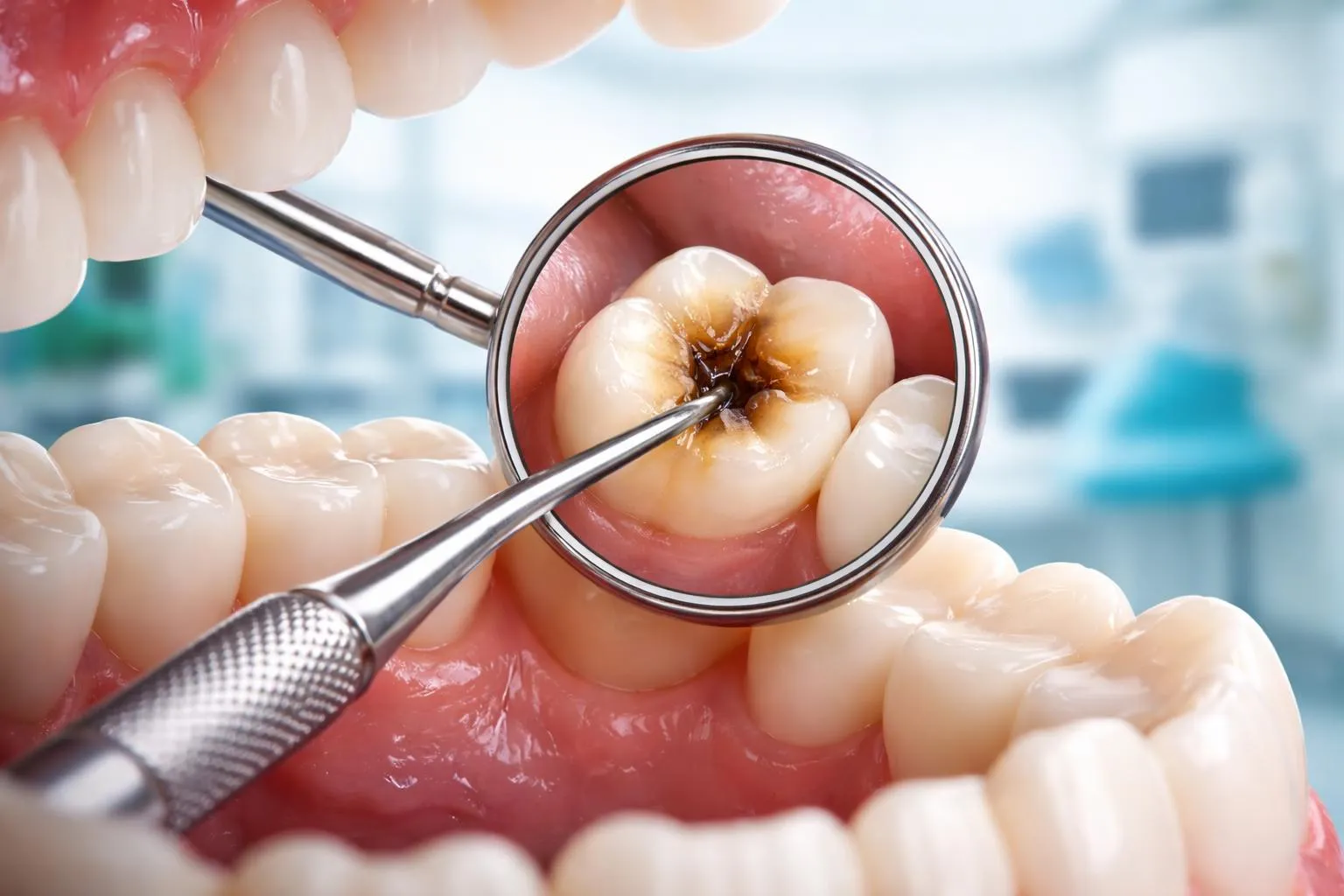
A lot of people treat dental visits like oil changes. Go when something feels off, hope nothing expensive comes up, move on.
I get it. If your teeth don’t hurt, it’s easy to assume everything is fine. The problem is that many dental issues do their best work quietly. Cavities can start small. Gum disease can develop with almost no pain. A cracked filling can weaken over time until it turns into a bigger, more expensive repair. By the time something feels urgent, it often is.
That’s why comprehensive dental exams matter. They are not just quick check-ins to see whether you have a cavity. A good exam is a full look at your oral health, your risk factors, and changes that may be happening beneath the surface. Done regularly, these visits help catch problems early, lower the odds of dental emergencies, and give you a much clearer picture of what your mouth actually needs.
A comprehensive dental exam goes beyond counting teeth and polishing away plaque. It looks at your mouth as a whole system.
That usually includes a review of your medical and dental history, a close look at your teeth and gums, an assessment of your bite, and a check of your soft tissues such as the tongue, cheeks, and roof of the mouth. It may also include periodontal measurements to assess gum health, X-rays or other imaging when needed, and a review of existing dental work like fillings, crowns, bridges, or implants.
In plain English, it answers more than one question. Not just “Do I have a cavity?” but also:
Are my gums healthy?
Is there bone loss?
Are old fillings still doing their job?
Am I grinding my teeth at night?
Is my bite putting too much force on certain teeth?
Are there any suspicious changes in the soft tissues of my mouth?
Has anything changed since my last visit?
That last one matters more than people realize. Dentistry is not only about spotting a problem once. It’s about tracking patterns over time.
If I had to pick one reason comprehensive exams are worth keeping up with, this would be it. Early detection changes everything.
A tiny cavity might need a small filling. Ignore it, and it can move deeper into the tooth, irritate the nerve, and turn into a root canal or extraction. Mild gingivitis may improve with better home care and regular cleanings. Left alone, it can progress into periodontal disease, where gum tissue and bone support are damaged.
Small problems are usually cheaper, simpler, and less disruptive to fix. That is not fear-based messaging. It is just how dental disease works.
Comprehensive exams help detect:
Decay often begins in places you can’t easily see, between teeth, under old restorations, or in grooves on chewing surfaces. X-rays and a careful visual exam can catch these areas before pain starts.
Gum disease does not always come with dramatic warning signs. Some people notice bleeding when brushing or flossing. Others notice nothing at all until there is gum recession, loose teeth, or bad breath that won’t go away. Measuring gum pockets and checking for inflammation gives a more accurate picture than appearances alone.
An infection can simmer quietly for a while, especially if it is draining or partially contained. Exams and imaging can reveal issues that would be easy to miss at home.
Oral cancer screening is one of the parts of a comprehensive exam people often forget about. Your dentist is not just looking at teeth. They are checking your tongue, cheeks, lips, palate, and other tissues for anything unusual. That does not mean every sore spot is something serious. Most are not. Still, this is one of those areas where early evaluation really matters.
This is where comprehensive exams earn their name.
Your oral health involves much more than enamel. A thorough exam may also assess your jaw joint, bite alignment, wear patterns, muscle tension, gum condition, and bone support. That broader view can explain symptoms people don’t always connect to dentistry.
For example, frequent headaches, a sore jaw in the morning, or flattened tooth edges may point to bruxism, which is grinding or clenching. Clicking or discomfort when opening your mouth may suggest a TMJ issue. A tooth that keeps chipping may not be “weak” on its own. It may be taking too much force because of your bite.
Existing dental work also needs regular review. Fillings wear down. Crowns can leak at the margins. Implants need healthy surrounding tissue. A restoration that looked fine five years ago may need attention now.
This kind of monitoring is less dramatic than emergency treatment, but honestly, that’s the point. The best dental care is often quiet and preventive.
There is a reason medical history is part of a dental exam. Your mouth does not operate separately from the rest of your body.
Inflammation in the gums can be affected by diabetes. Dry mouth may be linked to medications, autoimmune conditions, or cancer treatment. Acid erosion may relate to reflux, diet, or vomiting. Some vitamin deficiencies, immune disorders, and infections can show signs in the mouth.
That does not mean a dental exam replaces medical care. It doesn’t. But it can reveal patterns or warning signs that deserve follow-up.
The connection between oral health and general health is especially clear with gum disease. Periodontal inflammation has been linked with several systemic conditions, including diabetes and cardiovascular disease. The relationship is complicated, and it goes both ways in some cases. Poor oral health can worsen inflammation, and certain health conditions can make oral disease harder to control.
For patients, the practical takeaway is simple: taking care of your mouth supports more than your smile.
A lot of dental anxiety comes from not knowing what to expect. So let’s make this less mysterious.
While every office has its own routine, a comprehensive exam often includes the following:
You’ll usually be asked about medications, allergies, past treatment, symptoms, and changes in your health. This is not paperwork for the sake of paperwork. Medications can affect bleeding, healing, dry mouth, and treatment choices. Medical conditions can affect gum health and infection risk.
The dentist checks for decay, cracks, worn areas, gum inflammation, recession, plaque buildup, and signs of infection. They’ll also look at how your teeth fit together.
This may involve measuring the space between your teeth and gums. Deeper pockets can suggest gum disease. It’s not the most glamorous part of the visit, but it’s useful.
The dentist examines the soft tissues in and around your mouth for sores, patches, lumps, or other changes that need monitoring or referral.
Imaging helps detect what the eye can’t see well, including decay between teeth, bone loss, infection near roots, and issues under restorations. Not every visit requires the same images. Frequency depends on your risk level, history, and symptoms.
Fillings, crowns, bridges, implants, and other restorations are checked for wear, fit, and signs of trouble.
This part matters. A good exam should end with a conversation, not just a summary. You should understand what was found, what needs attention now, what can be monitored, and what you can do at home.
For nervous patients, knowing the sequence often helps. Nothing here is meant to catch you off guard.
Preventive care is not exciting. It rarely gives you a dramatic before-and-after story. But if you’ve ever needed an emergency dental visit, you already know how fast neglect gets expensive.
Routine exams can help you avoid:
Larger fillings caused by untreated decay
Root canals after deep infection
Gum therapy for advanced periodontal disease
Broken teeth that need crowns
Extractions and replacement options such as implants or bridges
Urgent visits for swelling or pain
There’s also the time factor. A short scheduled appointment every few months is easier to manage than a surprise appointment because your tooth cracked on a Tuesday afternoon and now you can’t chew on one side.
People often postpone routine care to save money. Sometimes that feels practical in the moment. Long term, it often isn’t.
The “every six months” guideline is common for a reason. For many people, it works well. It gives the dental team a regular chance to spot changes, manage buildup, and keep an eye on areas that may be at risk.
But six months is not a magic number.
Some people need more frequent visits. That may include patients with:
A history of gum disease
Frequent cavities
Dry mouth
Smoking or tobacco use
Diabetes
Orthodontic appliances
A tendency to build up plaque or tartar quickly
A history of oral cancer or suspicious lesions
Teeth grinding or clenching that needs monitoring
Others may need different schedules based on age, pregnancy, medications, or recent treatment.
The best frequency is risk-based, not one-size-fits-all. If your dentist recommends coming in more often, it usually isn’t because they enjoy seeing your calendar fill up. It’s because your mouth is giving them a reason.
One underrated benefit of a comprehensive exam is the chance to get advice that actually applies to you.
General oral health advice is everywhere. Brush twice a day. Floss daily. Go easy on sugar. Fine. Useful. But pretty broad.
A dental exam allows for more personal guidance. Maybe you’re brushing regularly but missing the gumline. Maybe your floss technique needs work. Maybe acidic drinks are wearing down your enamel. Maybe your child would benefit from sealants. Maybe fluoride is a smart extra layer of protection. Maybe your mouth is dry because of medication, and you need a different home-care approach.
These details matter because prevention works best when it fits real life.
Behavior changes also tend to stick better when they are tied to something concrete. “You’re starting to get decay between these back teeth” usually lands harder than “Flossing is important.” Same message, but one feels real.
If it’s been a while since your last visit, you do not need to show up apologizing. Dentists have seen every version of “I’ve been meaning to come in.” Just come in.
A few simple things can make the appointment smoother:
Include prescriptions, supplements, and anything that causes dry mouth or affects bleeding.
Sensitivity, jaw soreness, bleeding gums, bad breath, mouth ulcers, clicking, and headaches can all be relevant.
Pregnancy, diabetes diagnosis, new medications, autoimmune conditions, and recent surgeries may affect dental care.
If X-rays make you nervous, ask why they’re recommended. If a treatment plan feels confusing, ask for clarification. If you grind your teeth at night, bring it up.
This is one area where pretending helps nobody. Your dentist is not looking for perfect behavior. They are looking for a useful starting point.
A comprehensive exam is important, but it is still just one part of oral health. What happens between visits matters a lot more than the hour you spend in the chair.
The basics still carry most of the weight:
Brush twice a day with fluoride toothpaste. Clean between your teeth daily with floss or another interdental cleaner. Keep sugary snacks and drinks from becoming an all-day habit. Drink water. Replace worn toothbrushes. If you smoke or use tobacco, cutting back or quitting will help your mouth as much as the rest of your body.
If your dentist recommends something more specific, such as a night guard, prescription fluoride, more frequent cleanings, or dry mouth strategies, that is where personalized care really pays off. It’s easier to protect your teeth when you understand your own patterns.
Comprehensive dental exams are not about finding fault with your mouth. They are about paying attention before small issues grow teeth, if you’ll excuse the phrase.
They help detect decay and gum disease early. They monitor old dental work. They check for oral cancer and soft tissue changes. They catch signs of grinding, bite problems, and jaw stress. They create a record over time, which is often what makes subtle changes visible. They also open the door to better habits, clearer advice, and fewer unpleasant surprises.
That’s the real win. Fewer surprises.
If you tend to think of dental exams as optional when nothing hurts, it may be worth revisiting that idea. Pain is a late messenger. Prevention is quieter, less dramatic, and a lot kinder to your schedule and budget.
And honestly, that’s reason enough.
Get Started Today
Your oral health matters. Whether you’re visiting for preventive care or urgent treatment, our experienced and caring team is here to help.
.svg)