Refer a friend to Duo Dental Clinic and receive a gift card as our thank you!
June 18, 2026
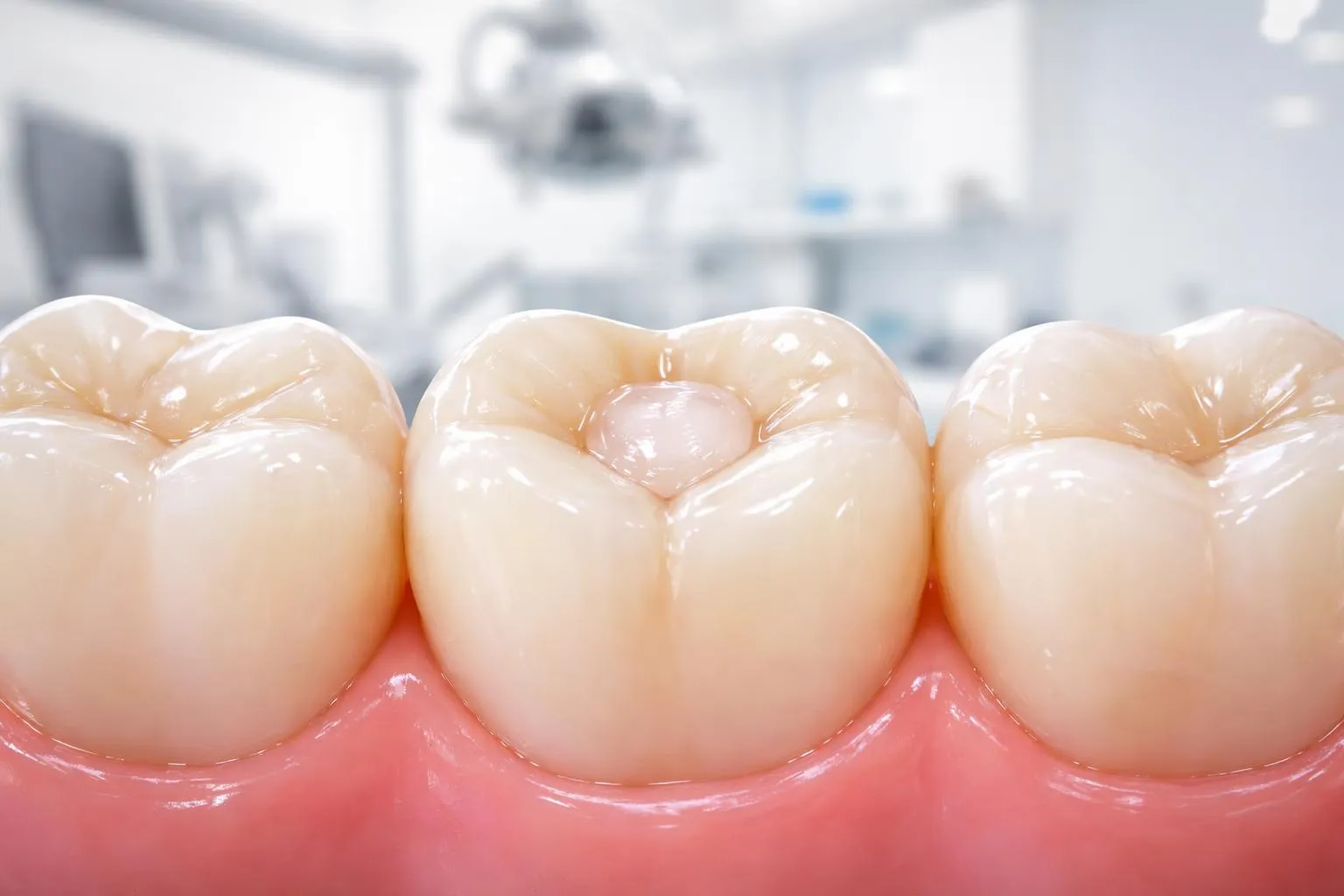
If you have just had a root canal, or you are about to, this is probably the question on your mind: should it still hurt afterward?
The short answer is yes, a little. Some soreness after a root canal is normal. In fact, it would be more surprising to feel absolutely nothing once the numbness wears off. The tooth has been treated, cleaned, and sealed, but the tissues around it still need time to calm down.
That said, there is a difference between normal healing pain and the kind of pain that means something is off. Knowing that difference can save you a lot of worry, and in some cases, help you get the right follow-up care sooner.
Root canals have a terrible reputation, and honestly, a lot of that reputation comes from the pain people feel before treatment, not during it. The whole point of a root canal is to remove infected or damaged tissue inside the tooth and stop the intense nerve pain that sent you to the dentist in the first place. Modern treatment is usually much more comfortable than people expect. Recovery is often pretty straightforward too.
A root canal treats the inside of the tooth, but the tooth does not sit in isolation. It is surrounded by bone, ligaments, gum tissue, and tiny structures near the root tip. Those tissues can stay irritated for a few days even after the source of the problem has been removed.
Think of it this way. If you get a splinter removed from your finger, your finger may still feel tender for a bit. The splinter is gone, but the tissue needs time to settle down. A root canal recovery is similar.
Most post-treatment discomfort comes from inflammation around the root, not from the nerve inside the tooth. That nerve tissue is the part that was removed. So if you feel a dull ache, mild tenderness, or some sensitivity when biting, it usually means the area is healing.
This kind of soreness is very different from the pain many people feel before treatment. Before a root canal, pain is often sharp, throbbing, spontaneous, or severe enough to keep you awake. After treatment, discomfort is more commonly a dull ache or pressure.
The first thing many people notice is a mild ache once the local anesthetic wears off. The tooth can feel tender when you tap it with your tongue or bite down on food. Some people say the tooth feels "high," like it touches first when they close their mouth.
That sensation can happen because the tissues near the root are slightly swollen. Even a small amount of inflammation can make biting feel different.
You might also notice:
mild soreness in the tooth or gum
tenderness when chewing
a bruised feeling around the treated area
jaw soreness from holding your mouth open during the appointment
slight irritation where the injection was given
None of this is especially fun, but it is usually temporary.
The key detail is the pattern. Normal healing discomfort should gradually improve. It may peak early, then fade. It should not keep building day after day.
Recovery is not identical for everyone, but there is a general pattern most people follow.
This is usually when tenderness is most noticeable. The numbing medication has worn off, the tissues are still irritated, and your jaw may feel tired from the procedure.
At this stage, it is common to notice:
a dull ache
sensitivity when biting
sore gums near the treated tooth
mild discomfort in the jaw or cheek
This is a good time to keep things simple. Eat soft foods, chew on the other side, and take pain medicine exactly as your dentist recommends.
By this point, most people start to feel noticeably better. The tooth may still be a little sensitive, especially if you press on it or try to chew something crunchy too soon, but the pain should be less intense than it was during the first couple of days.
You can usually start returning to a more normal diet as tolerated, though it still makes sense to be cautious with the treated side if you have a temporary filling or temporary crown in place.
After about a week, many people are close to normal. A little awareness of the tooth is not unusual, but substantial pain should not still be hanging around.
If you are having significant pain after a week, or even a few days of worsening pain instead of improvement, it is time to contact your dental office. That does not always mean something serious is wrong, but it does mean the tooth should be checked.
People often assume that once the inside of the tooth is cleaned out, all pain should vanish right away. I get why that seems logical. But teeth are attached to living tissues, and those tissues can stay irritated for a bit.
Here are the most common reasons for post-root canal soreness.
This is the big one. If the tooth was infected or inflamed before treatment, the tissues near the end of the root were already irritated. Cleaning the inside of the tooth removes the source, but the body still has to resolve that inflammation.
That healing process takes time.
Root canal treatment involves working in tiny spaces inside the tooth. Even with careful technique, the tissues near the root tip can become mildly irritated during cleaning and shaping. That can create short-term tenderness afterward.
Keeping your mouth open for a dental procedure can leave your jaw muscles sore, especially if the appointment was long or if you already clench your jaw when stressed. Sometimes people think the tooth hurts more than it does because the whole area feels tired and tense.
Your gums may feel mildly irritated from the tools used during treatment, the rubber dam that isolates the tooth, or the injection itself. This usually fades within a day or two.
This one matters more than people realize. If the temporary restoration sits just a little too high, the tooth can take extra force every time you bite. That repeated pressure can make the tooth feel sore longer than it should.
The good news is that a bite adjustment is usually quick and can make a big difference.
Most post-root canal soreness can be handled with a few basic steps. Nothing fancy. Just the usual sensible stuff that gives the area a chance to heal.
Over-the-counter pain relievers are often enough for mild to moderate discomfort, but you should follow your dentist's instructions about what to take and how often. If they prescribed something specific, use it exactly as directed.
If your pain is severe and medication barely touches it, that is not something to shrug off.
Try not to chew on the treated side for several days, especially if you have a temporary filling or crown. Hard foods can irritate the area and may damage a temporary restoration.
This is one of those boring pieces of advice people ignore because they feel mostly okay. Then they bite into something crunchy and regret it immediately.
For the first day or two, softer foods are usually easier and more comfortable. Think yogurt, soup, mashed potatoes, scrambled eggs, oatmeal, or smoothies eaten with a spoon.
As tenderness improves, you can slowly work your way back to firmer foods.
You still need to brush and floss unless your dentist told you otherwise. Be gentle around the treated tooth, but do not avoid cleaning it altogether. Plaque and food buildup can irritate the gums and make the area feel worse.
A warm salt water rinse can also help soothe the tissues. It is simple, cheap, and often surprisingly comforting.
Most people can return to work or daily activities the same day, especially if the procedure was straightforward. But if you feel sore, tired, or a little wrung out afterward, taking it easy for the rest of the day is completely reasonable.
One practical note: do not chew while you are still numb. It is very easy to bite your cheek, lip, or tongue without realizing it.
Some people notice a throbbing sensation when they recline or go to bed. Lying flat can increase blood flow and pressure in the head, which can make inflammation feel more noticeable.
Using an extra pillow to keep your head slightly elevated may help.
Usually, yes. Mild gum soreness can come from the injection, the dental instruments, or simple tissue irritation around the tooth. It often clears up within a day or two.
If the gums are getting more swollen, very tender, or start draining fluid, that is different. Call your dentist.
In most cases, yes. Many people return to work, school, or regular errands the same day. The bigger issue is often lingering numbness rather than pain. You do not want to accidentally chew your lip during lunch.
If your job is physically demanding and you feel uncomfortable, taking the rest of the day off may be the better choice.
That deserves attention. Pain that returns after initial improvement can point to an issue such as a crack in the tooth, bite problems, inflammation that is not resolving, or trouble with the temporary restoration.
It does not mean the treatment failed, but it does mean the tooth should be evaluated.
This is the part people tend to overthink. They worry about bothering the office, so they wait too long. If something feels clearly wrong, call. That is what follow-up care is for.
You should contact your dentist if you notice:
Swelling that is significant or getting worse, especially in the gums, cheek, or face.
Pain that gets worse after three days instead of better.
Severe pain that is not controlled with the recommended medication.
Sharp, sudden, electric shock type sensations.
A temporary filling or crown that falls out.
A bite that still feels uneven or too high.
Pain that disappears, then returns.
An uneven bite is easy to underestimate. If the treated tooth is hitting before the others, it can stay inflamed from repeated pressure. A small adjustment can sometimes solve the problem quickly.
Many root canal patients leave with a temporary restoration before the final crown is placed. That temporary material may feel a little rougher or bulkier than a permanent one. Some awareness of it is normal.
What is not normal is feeling like the tooth smashes down hard every time you bite. If that happens, the restoration may be too high. Even a tiny discrepancy can create soreness.
This is worth fixing sooner rather than later. You do not need to "wait it out" if the bite feels clearly off. A quick adjustment often helps the tooth calm down faster.
Also, be careful with sticky or very hard foods while the temporary restoration is in place. If it loosens or comes out, contact your dentist.
The easiest way to judge root canal recovery is to look at the overall direction.
Normal recovery tends to go like this: the tooth feels sore at first, then gradually less sore. You may notice improvement day by day, or in small steps. Some moments feel better than others, but the general trend is toward less pain, not more.
Problem recovery tends to go the other way. Pain intensifies, swelling increases, chewing becomes harder, or odd sensations develop. That pattern is your cue to check in.
It is also worth remembering that the root canal itself is a tooth-saving treatment. The goal is to preserve a tooth that might otherwise need extraction. Once healing is complete and the final crown is placed when needed, the tooth should function like a normal part of your bite.
Most root canal discomfort is temporary and manageable. For a lot of people, the relief from the original tooth pain is the most noticeable part. The post-treatment soreness is there, but it is usually much milder than the pain that led to treatment in the first place.
Once the final restoration is done and the tooth is protected properly, it can last for many years. In some cases, it can last a lifetime with good oral hygiene, routine dental care, and a crown if your dentist recommends one.
So, is pain normal after a root canal?
Yes, some pain is normal. Mild aching, tenderness when biting, sore gums, and a feeling that the tooth is a bit "off" for a few days are all common. What matters is that the discomfort should ease as the area heals.
If pain is strong, getting worse, paired with swelling, or just feels unusual, trust that instinct and call your dentist. Most of the time, recovery is simple. And when it is not, the sooner someone looks at it, the sooner you can get comfortable again.
Get Started Today
Your oral health matters. Whether you’re visiting for preventive care or urgent treatment, our experienced and caring team is here to help.
.svg)