Refer a friend to Duo Dental Clinic and receive a gift card as our thank you!
August 21, 2026
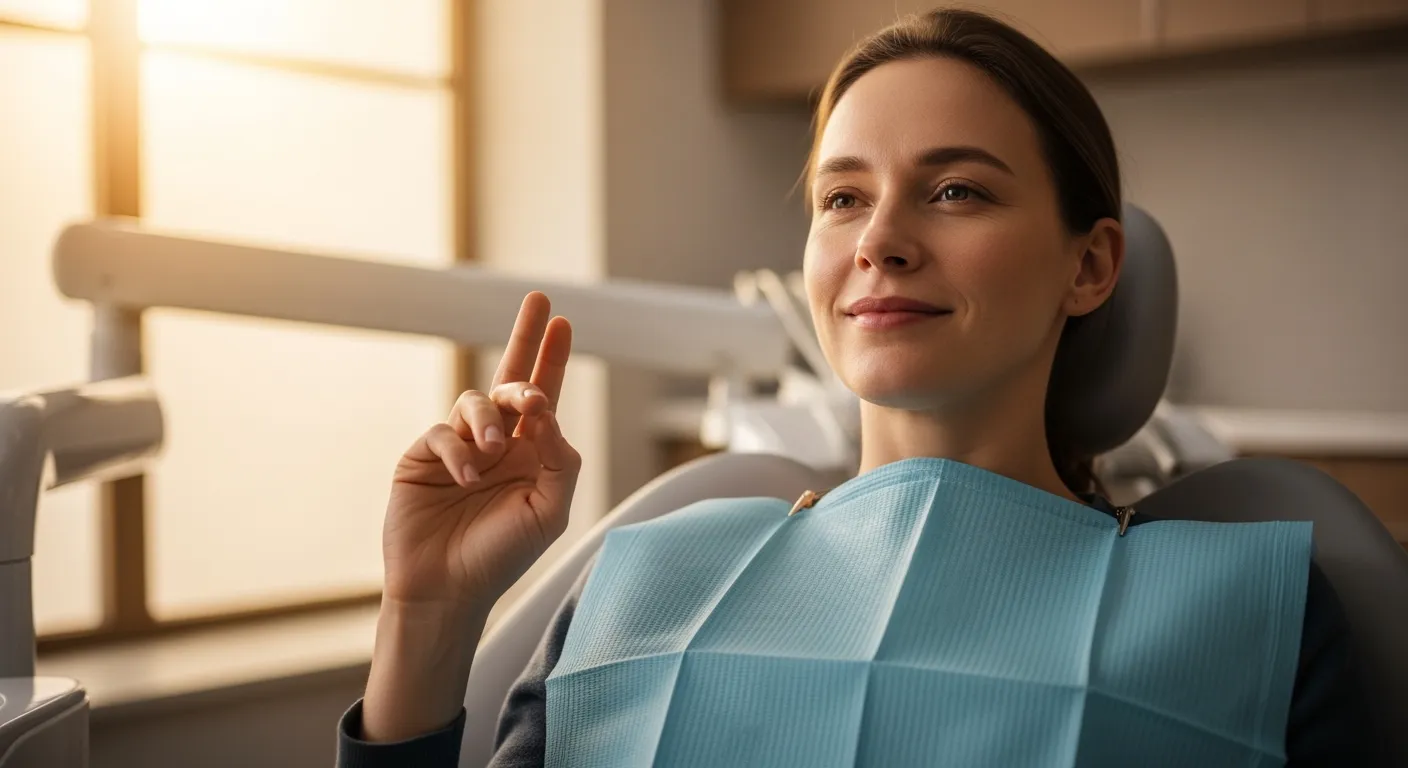
Dental anxiety is common, and it can be surprisingly powerful. For some people it feels like a mild dread that starts the night before. For others, it is enough to cancel appointments, put off treatment, and wait until a small problem turns into a painful one.
That spiral is rough. You avoid the visit because you are anxious, then the delay makes the next visit feel even bigger and scarier.
The good news is that dental anxiety is manageable. Usually not with one magic trick, but with a few practical changes that help you feel more informed, more comfortable, and more in control. If you have ever sat in the parking lot talking yourself into going inside, this is for you.
A lot of people feel embarrassed about being nervous at the dentist. They think they should have outgrown it, or that everyone else handles it just fine. That is rarely true.
Dental anxiety often comes from a few very understandable fears:
pain, or the memory of pain
feeling trapped or unable to speak
bad experiences in the past
embarrassment about the condition of your teeth or gums
fear of needles, sounds, smells, or loss of control
Sometimes people cannot even point to one reason. Their body just reacts. Fast heartbeat. Sweaty hands. Tight shoulders. Thoughts racing ahead to the worst case.
It helps to name it plainly: “I get anxious about dental visits.” That simple admission matters because anxiety is harder to manage when you are also pretending it is not there.
Most people try to deal with dental fear when they are already in the chair. By then, your nervous system may already be on high alert. It is easier if you begin earlier.
If mornings are less stressful for you, book early. If you need time to settle into the day, choose late morning or afternoon. Try not to book when you will be rushing from work, skipping meals, or arriving exhausted.
An appointment at the “technically available” time is not always the best time. If you know being tired or pressed for time makes you more reactive, plan around that. It sounds simple, but it helps.
Uncertainty tends to make anxiety louder. If you do not know how long a visit will take, what a procedure involves, or whether you will be numb afterward, your mind fills in the blanks. Usually with dramatic material.
Call or email the office ahead of time and ask:
What will happen during this visit?
How long should I expect to be there?
Will anything be painful, and how is discomfort managed?
Can I discuss anxiety with the dentist before treatment starts?
Are breaks allowed during longer appointments?
If a practice offers a phone consultation, video consult, or even a quick pre-visit tour, take it. Familiarity lowers the threat level. Walking into a place that already feels somewhat known is very different from stepping into a total unknown.
If you are choosing a new dentist, read about the team before you book. A clinic’s about page can tell you a lot about how they think about patient care, communication, and comfort. You are not looking for perfect marketing language. You are looking for signs that the staff understands people are nervous sometimes and knows how to respond well.
This part is easy to skip. People often think, “I don’t want to be difficult,” or “They probably hear this all the time.” They do hear it all the time, and that is exactly why it is worth saying.
Be specific if you can. “I’m anxious” is useful. “I panic when I hear the drill,” “I hate not knowing what’s happening,” or “I had a painful procedure years ago and I’m still tense about it,” is even more useful.
That gives the dentist and staff something to work with.
One of the hardest parts of a dental visit for anxious patients is feeling like they cannot interrupt. Setting a simple signal, often raising your hand, changes that dynamic immediately.
Now you know you can pause if you need to swallow, breathe, ask a question, or reset. That sense of control matters more than people think.
Some patients feel calmer when they know each step before it happens. Others would rather hear only the basics. There is no correct preference here.
You can say something like:
“Please tell me what you’re doing before you do it.”
“I do better if I know how long each part will take.”
“If something might feel strange, I’d like a heads-up first.”
Anxiety loves mystery. Clear explanations take some of the fuel away.
When people are scared, they often try to argue themselves out of it with logic. That has limits. Anxiety is physical too, so physical tools work well.
You do not need a complicated method. Just breathe in slowly through your nose, pause briefly, and exhale longer than you inhaled. That longer exhale tells your body that it is safe enough to settle.
One simple pattern is inhale for four counts, exhale for six. Repeat for a minute or two in the car, in the waiting room, or anytime you feel your chest getting tight.
If counting makes you more tense, skip the numbers. Slow and steady is enough.
Anxious people often clench without noticing. Jaw, shoulders, hands, stomach, legs. Then the tension itself becomes another signal that something is wrong.
Try a quick body scan:
drop your shoulders
unclench your hands
let your tongue rest instead of pressing it
loosen your thighs and calves
exhale fully
Progressive muscle relaxation can help too. Tighten one muscle group for a few seconds, then let it go. You may be surprised how much tension you were carrying.
Anxiety tends to jump ahead. “What if this hurts?” “What if they find something bad?” “What if I panic?”
Grounding pulls you back to what is actually happening right now.
A few easy options:
notice five things you can see
press your feet into the floor
hold onto the arms of the chair and feel their shape and temperature
silently name what is happening without judgment, like “I hear a sound,” “I feel tension,” “I am breathing”
This is not about pretending you are relaxed. It is about stopping the mental sprint into the worst possible scenario.
Some people do better when they focus inward. Others need something else to latch onto. Distraction is not cheating. It is a tool.
Headphones can make a big difference. Music, a podcast, white noise, or a guided meditation can soften some of the sounds that trigger anxiety. If you have a calming playlist you already associate with rest or travel, use that. Familiar sounds can be surprisingly grounding.
If the office allows it, bring a small comfort item. A stress ball, hoodie, or lightweight blanket can help you feel more settled. Even a simple object to hold can redirect nervous energy.
And if you know you get overwhelmed during long visits, ask for planned breaks. You do not need to wait until you are near panic. Short pauses are often better than pushing through until you are flooded.
For many anxious patients, fear and pain are tangled together. Sometimes what people really mean by “I hate the dentist” is “I am afraid it will hurt and I won’t be able to handle it.” That fear deserves a direct conversation.
Pain control options vary depending on the procedure and your health history, but common approaches include topical numbing, local anesthesia, nitrous oxide, oral sedatives, and IV sedation.
Topical anesthetic numbs the surface before an injection or minor procedure. It does not do everything, but it can take the edge off.
Local anesthesia numbs the treatment area. You stay awake, but the area being worked on should not feel sharp pain.
Nitrous oxide, often called laughing gas, can help you feel calmer during the visit. It wears off fairly quickly for many people.
Oral sedatives are taken before the appointment and can reduce anxiety more deeply. You may feel drowsy and usually need someone to drive you.
IV sedation is used for some procedures or severe anxiety. It requires more planning and monitoring.
The right choice depends on the treatment, your medical history, how intense your anxiety is, and what level of recovery support you have afterward. The point is not to guess. Ask your dentist to explain the risks, benefits, and what recovery actually looks like. Specific information is usually much more calming than vague reassurance.
Sometimes the basics get ignored, and then anxiety gets blamed for everything.
Avoid too much caffeine before your appointment. If you are already nervous, a large coffee can make your heart race faster and your thoughts jumpier. That does not mean you must suffer without caffeine if you are a daily coffee drinker, but this may not be the day for extra.
Eat a light meal unless you were told to fast. Being hungry can make people feel shaky and more irritable. Being overly full is not great either. Aim for steady.
Arrive a little early if you can. A rushed entrance tends to keep your body in stress mode. Ten quiet minutes in the waiting area is often better than bursting through the door apologizing.
If the office permits it and you feel better with support, bring someone with you. A calm companion can help before the visit, during check-in, and after the appointment, especially if sedation is involved.
This part matters more than any single breathing exercise.
Dental anxiety often improves through repeated experiences that are neutral or positive. Not dramatic. Not miraculous. Just decent, respectful visits where you feel heard and things go about as explained.
If possible, see the same dentist and hygienist over time. Continuity makes it easier because you are not starting from zero with every appointment. The team learns what helps you. You do not need to repeat your whole story every time. That consistency can lower anticipatory anxiety a lot.
You also have permission to be selective. If a provider seems rushed, dismissive, or annoyed by your questions, it is reasonable to look elsewhere. A good clinical result matters, but so does the way you are treated getting there.
Sometimes dental anxiety is not just nerves. It is a phobia. You may have panic attacks, avoid care for years, or feel sick thinking about an appointment weeks in advance.
If that sounds familiar, outside support can help. Cognitive behavioral therapy is often useful for specific fears because it focuses on thoughts, body reactions, and gradual exposure. In plain language, it can help you stop treating every dental visit like an emergency.
A therapist may work with you on reframing catastrophic thoughts, building coping routines, or practicing small steps toward care. For example, first calling an office, then visiting without treatment, then completing a short cleaning. Slow is fine. Slow still counts.
There is no prize for white-knuckling your way through severe fear alone.
This part gets overlooked all the time. People survive a dental visit, then immediately switch into “good, that’s over” mode and never register that they handled something hard.
Take a minute after the appointment to notice what helped.
Did the hand signal make a difference?
Was music useful?
Did the explanation beforehand calm you down?
Was the morning slot better than the afternoon?
Tell the dental team what worked. Tell them what did not. That feedback makes your next appointment easier to shape.
It also helps to define success realistically. Success does not mean you felt perfectly calm. Success might mean you showed up even though you were scared. It might mean you asked for a pause instead of staying silent. It might mean you got through a cleaning without canceling.
Those wins matter because they build evidence. Your brain learns, slowly and stubbornly, that a dental visit can be uncomfortable without being unbearable.
And once you have had one manageable visit, the next one is usually a little less loaded. That is one of the strongest reasons to keep up with regular care when you can. Short, routine appointments are often much easier emotionally than long visits that happen only after a problem has gotten worse.
If dental anxiety has been running the show for a while, start small. Pick one strategy from this list and use it for your next appointment. Then add another. You do not need to become someone who loves going to the dentist. Most people never do. You just need enough support and control to make care possible.
Get Started Today
Your oral health matters. Whether you’re visiting for preventive care or urgent treatment, our experienced and caring team is here to help.
.svg)