Refer a friend to Duo Dental Clinic and receive a gift card as our thank you!
August 14, 2026
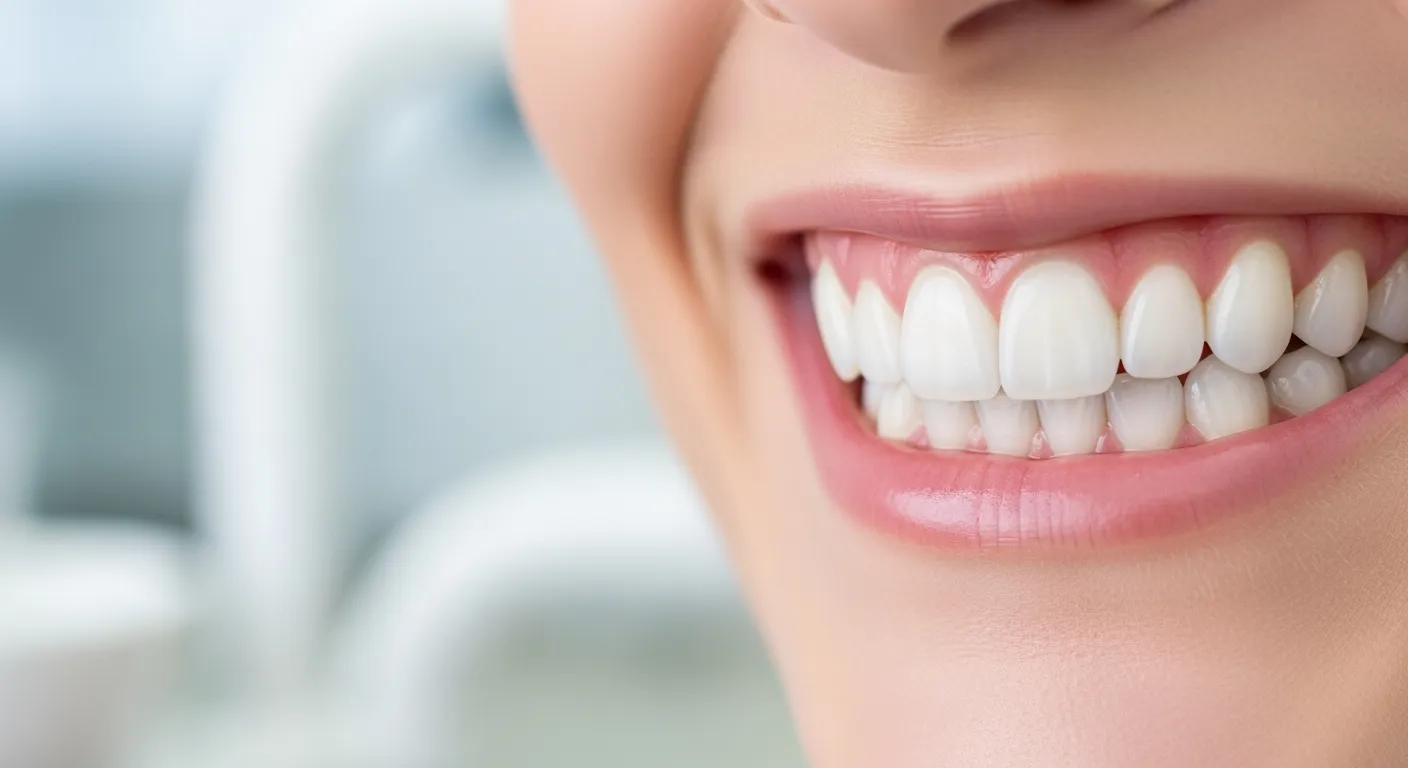
A lot of people don’t dislike their whole smile. It’s usually one or two things that keep bothering them. A front tooth that chipped years ago. Staining that never fully lifts, no matter how many whitening strips you try. A small gap that catches your eye in every photo.
That’s where dental veneers come into the conversation.
Veneers are one of those treatments people often hear about before they really understand them. They can absolutely create a more polished smile, but they are not a one-size-fits-all fix. The good news is that for the right person, they can address several common cosmetic dental concerns at once, and do it in a way that looks natural rather than obvious.
A veneer is a thin shell that covers the front surface of a tooth. It’s made to match your smile, your face, and the shape of your natural teeth. Once bonded in place, it changes how that tooth looks without replacing the whole tooth.
Most veneers are made from porcelain, which tends to resist staining and reflect light in a way that looks very similar to natural enamel. Composite veneers are another option in some cases, and they can be a good fit depending on the goal and budget. The best choice usually depends on what you want to fix, how long you want the result to last, and what your dentist sees during an exam.
What I like about veneers, when they’re done thoughtfully, is that they can be precise. You’re not trying to make every tooth perfect in a generic way. You’re improving the parts that feel off, while keeping the smile looking like yours.
Veneers are often associated with celebrity smiles, but the real everyday reasons people get them are much more practical.
Some tooth discoloration responds well to whitening. Some doesn’t. That’s the frustrating part.
If staining comes from things like trauma, certain medications, older dental work, or changes within the tooth itself, whitening may only do so much. Veneers can cover those stubborn dark or uneven areas and create a more consistent shade.
This matters most when one or two front teeth don’t match the others. People notice that kind of asymmetry fast, especially in photos. Veneers can help those teeth blend in again without chasing endless whitening treatments that never quite get there.
Teeth go through a lot over the years. Coffee, grinding, nail biting, sports injuries, even just normal wear can leave front teeth looking shorter, flatter, or uneven.
A veneer can restore the shape of a chipped or worn tooth in a way that feels balanced and clean. Sometimes the difference is subtle. A slightly rebuilt edge, a smoother contour, a better match to the tooth beside it. Those details make a big visual impact.
Minor surface cracks can also sometimes be disguised with veneers, though the right treatment depends on how deep the damage goes. That’s why a proper exam matters. Cosmetic improvement is great, but the tooth still has to be healthy.
A small space between front teeth can be part of someone’s look, and some people love it. Others don’t. There’s no rule here.
When a gap feels distracting and the spacing is minor, veneers can be used to widen the visible shape of one or more teeth so the smile looks more even. This can sometimes offer a faster cosmetic solution than orthodontic treatment, especially if the bite is already in a good place.
The key word is small. Veneers can close modest spaces beautifully, but they are not the right answer for every spacing issue.
Some teeth simply formed that way. They may be naturally small, rounded, worn down, or irregular in shape. A common example is a peg lateral, where one of the teeth next to the front teeth appears noticeably smaller than expected.
Veneers can make those teeth look proportionate to the rest of the smile. This tends to be one of the most satisfying uses of veneers because the improvement often feels immediate and obvious without looking artificial.
This is where it helps to be realistic.
Veneers can create the appearance of straighter teeth when the issue is mild. If a tooth is slightly rotated, a bit tucked back, or just not lining up visually, a veneer may improve its appearance. But veneers do not move teeth. They only change what you see on the surface.
If the alignment problem is more significant, or if the bite needs correction, orthodontic treatment often makes more sense. A good cosmetic plan should not force veneers into a job they were never meant to do.
Part of the appeal is simple. Veneers can improve several concerns at once.
Instead of treating color, shape, chips, and spacing as separate issues, veneers may address them together. For people who feel like their smile has a handful of small problems rather than one big one, that can be a relief.
They also tend to produce a very refined result. Porcelain veneers, in particular, can mimic natural enamel in a way that looks bright but not flat. That matters. A smile can be whiter and more symmetrical without looking fake.
Another reason people like veneers is efficiency. Compared with treatments that take many months, veneers can sometimes create a noticeable change in a much shorter time frame. That doesn’t mean rushing the process. It means the end result can come together with fewer moving parts.
Still, I think the best reason to choose veneers is not “I want a perfect smile.” That goal usually leads people somewhere strange. A better goal is “I want my smile to stop distracting me.” That’s often when cosmetic dentistry feels genuinely worthwhile.
The first step is a consultation. This is where your dentist looks at your oral health, listens to what bothers you, and figures out whether veneers actually make sense. In some cases, the better answer may be whitening, bonding, Invisalign, or crowns. A good plan is personal, not automatic.
If you want to understand how veneers fit into a broader smile treatment plan, it helps to look at a full overview of cosmetic dentistry options, including related treatments that may work on their own or alongside veneers.
Once veneers are chosen, the dentist usually prepares the teeth by removing a small amount of enamel from the front surface. This step makes room for the veneer so it doesn’t look bulky. Impressions or digital scans are then taken to create custom restorations.
Temporary veneers may be placed while the final ones are being made. At the fitting appointment, your dentist checks the shape, bite, and shade, then bonds the veneers into place.
It sounds straightforward, and in many ways it is, but the design part matters more than people realize. Good veneers are not just white shells. They need the right length, edge shape, contour, and translucency. Tiny details decide whether the final smile looks natural or strangely generic.
This is the part worth saying plainly. Veneers are excellent for some people and a poor fit for others.
If you have untreated decay, gum disease, heavy teeth grinding, or major bite problems, those issues usually need attention first. Veneers work best on healthy teeth and gums. They also require enough enamel for proper bonding.
Grinding is a big one. If you clench or grind your teeth at night, veneers may still be possible, but protection matters. A night guard is often part of the long-term plan. Without it, even well-made veneers can chip or wear prematurely.
There’s also the question of commitment. Veneers often involve removing a small amount of enamel, which means the decision is generally irreversible. That doesn’t make it a bad choice. It just makes it a real one.
Veneers are durable, but they are not invincible.
The basics still matter. Brush twice a day. Floss daily. Keep up with regular dental cleanings and exams. If you use your teeth to tear open packages or chew ice, this is a good time to stop. Veneers can handle normal function, but they shouldn’t be treated like tools.
Porcelain veneers usually resist staining better than natural teeth, but the edges and surrounding teeth still benefit from good habits. Coffee, tea, red wine, and tobacco can affect the overall look of your smile over time, especially if natural teeth are visible beside the veneers.
A well-made veneer should feel like part of your mouth, not like a fragile accessory you have to baby. You do want to be sensible, though. Long-lasting cosmetic work usually comes down to a mix of quality treatment and decent home care.
The best cosmetic dental work does not shout. It quietly removes the thing you kept noticing.
That might be the chipped tooth you hide in photos. The dark front tooth that whitening never changed. The uneven edge that makes your smile feel unfinished. Veneers can address those concerns in a focused, tailored way, often with results that feel polished but still believable.
If you’ve been thinking about improving your smile, it’s worth starting with a conversation rather than a fixed idea. Veneers may be the answer. Or maybe another treatment makes more sense. Either way, a thoughtful plan usually gets better results than chasing whatever smile trend happens to be popular.
Get Started Today
Your oral health matters. Whether you’re visiting for preventive care or urgent treatment, our experienced and caring team is here to help.
.svg)