Refer a friend to Duo Dental Clinic and receive a gift card as our thank you!
August 10, 2026
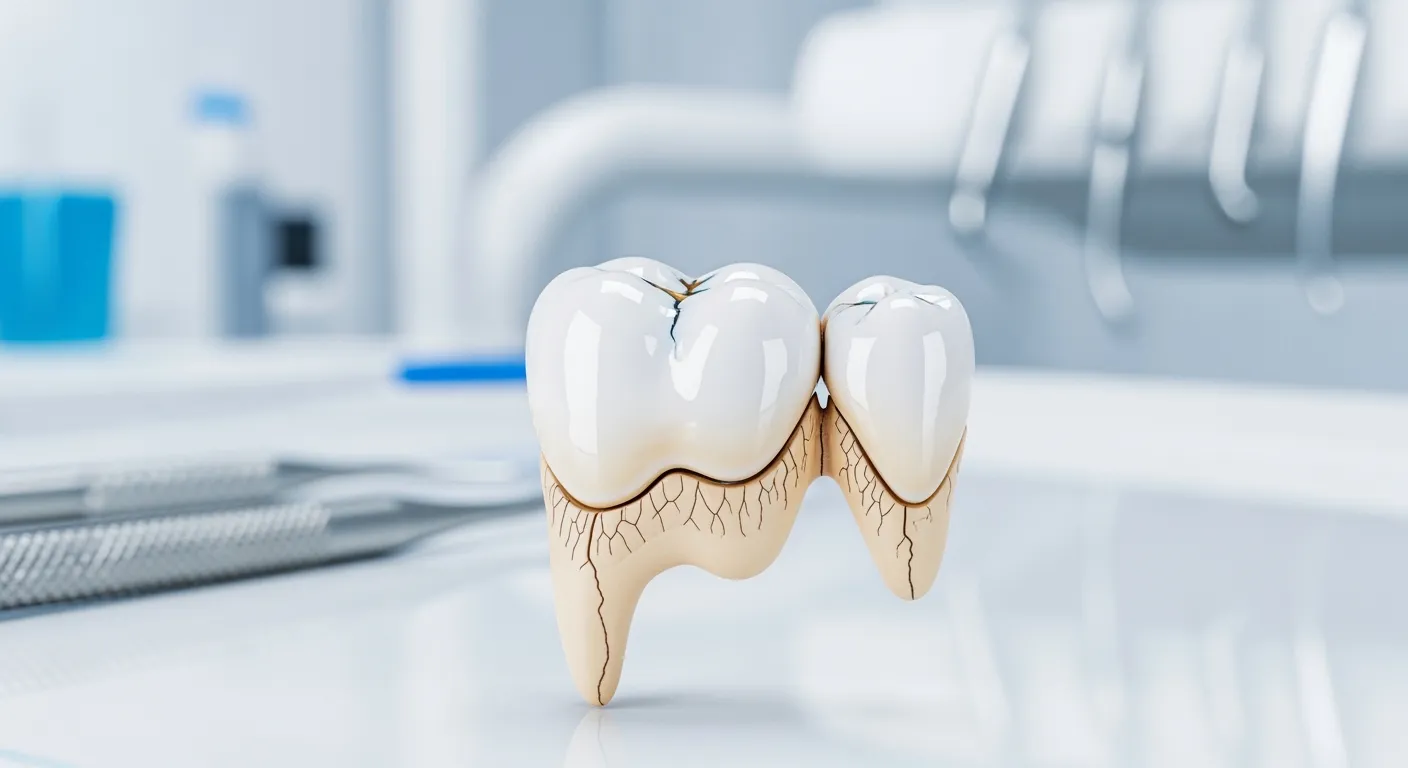
A dental crown sounds dramatic. In reality, it is a practical fix for a tooth that needs more support than a filling can give.
If you have ever cracked a molar, needed a root canal, or been told a tooth is too weak for “just a filling,” a crown is probably part of that conversation. For many people, the word brings up two worries right away: Will it hurt? And is this really necessary?
Fair questions. Crowns are common, but they are not casual. A dentist removes some tooth structure, reshapes the tooth, and places a custom cover over it. That means the decision matters. The good news is that crowns can protect teeth for years, restore chewing function, and make a damaged tooth feel usable again.
This guide breaks down what crowns are, when dentists recommend them, what the procedure usually looks like, and how to care for one after it is placed.
A dental crown is a custom-made cap that covers the visible part of a tooth above the gumline. Its job is to restore shape, strength, and function. In some cases, it also improves appearance.
Think of a crown as a protective shell. If a tooth is badly worn, fractured, heavily filled, or structurally weak, the crown helps hold things together when you bite and chew.
That said, crowns are not magic. They do not make a damaged tooth brand new. The tooth underneath still matters. If decay, gum disease, or a crack below the gumline goes untreated, a crown cannot solve that by itself.
Dentists usually recommend crowns when a tooth needs more reinforcement than a simple filling can provide. Here are the most common reasons.
A small cavity can often be fixed with a filling. But when decay destroys a big portion of the tooth, there may not be enough healthy structure left to support a filling long term. A crown wraps around the remaining tooth and lowers the risk of fracture.
Cracks vary a lot. Some are tiny and stable. Others spread under pressure every time you chew. A crown can hold the tooth together and reduce flexing. It does not always “heal” a crack, but it can protect the tooth from getting worse.
After a root canal, the inside of the tooth has been cleaned and sealed. The tooth may also be more brittle than before, especially a back tooth that absorbs strong biting forces. Many root canal treated molars and premolars need crowns for long-term protection.
If a tooth has been filled, re-filled, and repaired several times, there comes a point where patching it again is not the most reliable option. A crown may give a better seal and more stability.
Grinding, clenching, acid erosion, and years of heavy use can flatten or weaken teeth. In some cases, crowns are used to rebuild height and function.
Implants replace missing tooth roots, but the visible chewing surface is usually a crown attached to the implant. So crowns are not just for natural teeth.
Sometimes a tooth is severely misshapen, discolored, or damaged after trauma. A crown can improve appearance, but it usually makes the most sense when strength is also part of the problem.
Crowns are useful, but they are not always the first or best choice.
If the damage is small, a filling or onlay may preserve more natural tooth. If the tooth is cracked deep below the gumline or has severe bone loss, a crown may not save it. If the problem is mostly cosmetic and the tooth is otherwise healthy, veneers or bonding might make more sense.
This is where a good exam matters. A crown is a commitment, so it should solve a real problem, not just act as a default answer.
People often ask, “What kind of crown should I get?” There is no universal best material. It depends on where the tooth is, how hard you bite, what you want it to look like, and how much tooth structure remains.
These are popular for front teeth because they can look very natural. They reflect light in a way that resembles real enamel better than some older materials.
They are a good option for many people, though their durability depends on the specific ceramic used and where the crown is placed.
Zirconia is strong, which makes it common for back teeth and for patients who grind or clench. Earlier zirconia crowns were sometimes less lifelike in appearance, but newer versions can look much better than people expect.
If function is the priority, zirconia often comes up for a reason.
These crowns combine a metal base with a porcelain outer layer. They have been used for years and can work well, but they may show a dark line near the gum over time. If the porcelain chips, the metal underneath can also become visible.
Gold and other metal alloys are still very durable. They usually require less removal of tooth structure and tend to wear well over time. The obvious downside is appearance, which is why they are mostly used on less visible back teeth.
A crown appointment is not especially dramatic, but it helps to know the sequence so nothing feels mysterious.
Examination and imaging
The dentist checks the tooth, surrounding gums, and the bone supporting it. X-rays help show decay, infection, old fillings, or fracture patterns. If there is not enough healthy tooth left, other treatments may be discussed first.
Preparing the tooth
The tooth is numbed, then reshaped to make room for the crown. If a large part of the tooth is missing, a build-up material may be placed first to create a solid foundation.
Impressions or digital scans
The prepared tooth is recorded so the lab can make a crown that fits your bite and contacts neighboring teeth. Many offices now use digital scanning instead of putty impressions.
Temporary crown placement
If the final crown is being made in a lab, a temporary crown is usually placed. It protects the tooth and lets you function while you wait.
Final crown cementation
At the next visit, the temporary comes off, the fit is checked, and the permanent crown is cemented or bonded in place. Small bite adjustments are common.
Some clinics can make certain crowns in one visit with in-office milling technology. That is convenient, though it is not the right approach for every case.
During the procedure, the tooth is numbed, so you should not feel pain. Pressure and vibration are more common than sharp discomfort.
Afterward, you might feel soreness in the gum, tenderness at the injection site, or mild sensitivity to temperature for a few days. That is pretty normal. What is not normal is persistent pain, sharp pain when biting, or a feeling that the tooth is “too high” when you close your mouth. Those issues deserve a call to the dental office because sometimes the bite just needs a small adjustment.
Temporary crowns can be a little annoying. They are useful, but they are not the finished product. They may feel less smooth, and sticky foods can loosen them.
A crown can last many years, but there is no honest way to promise a fixed number.
Some last 5 to 15 years. Many last longer. A few fail much sooner because the tooth underneath decays, the crown cracks, or heavy grinding puts too much stress on it.
What makes the biggest difference?
how much healthy tooth structure remains underneath
the material used
bite forces, including grinding and clenching
oral hygiene habits
regular dental care
whether the crown margin stays clean and sealed
This is one part people sometimes miss. Crowns do not decay, but teeth do. The edge where the crown meets the natural tooth can still get cavities if plaque sits there long enough.
These treatments can sound interchangeable when you are hearing them all at once. They are not.
A filling repairs a smaller area. It is conservative and often ideal when enough tooth remains.
An onlay covers more than a filling but less than a full crown. It can be a smart middle ground when the tooth needs support but does not need complete coverage.
A veneer mainly changes the front surface of a tooth and is usually cosmetic.
An implant replaces a missing tooth entirely. A crown restores a tooth that still has a root worth keeping, or it acts as the visible part of an implant restoration.
If I had to sum it up simply, a crown is what dentists reach for when a tooth still has a future, but it needs serious reinforcement.
Once the final crown is placed and adjusted properly, it should feel pretty ordinary. That is the goal. You should be able to chew, brush, floss, and talk without thinking about it much.
At first, some people notice the shape more than they expected, especially if the old tooth was broken or worn down for a long time. Your tongue is incredibly sensitive to changes. Usually that awareness fades fast.
If the crown still feels bulky or your bite feels off after a week or two, it is worth getting checked. Tiny changes in bite can feel surprisingly big.
The best way to protect a crown is to care for it like a real tooth, because part of it still is.
Brush twice a day with fluoride toothpaste. Floss gently but consistently, paying attention to the gumline around the crown. If food keeps catching there, tell your dentist. The contact may need adjustment.
Crowns also do better when they are part of steady routine care. Regular exams and cleanings help catch loose margins, gum inflammation, and early decay before they turn into bigger problems. If you want a broader look at how crowns fit into everyday oral health, this overview of general and family dentistry care gives useful context on preventive and restorative treatment.
A few habits make a real difference:
avoid chewing ice, pens, and hard candy
wear a night guard if you grind or clench
do not use your teeth to open packages
keep up with checkups even if the crown feels fine
That last one matters more than people think. A crown can look perfectly normal from the outside while trouble starts at the margin or under the gum.
Crowns are sturdy, but they can fail quietly at first. Here are signs not to ignore.
This can mean the crown is too high, the tooth underneath is inflamed, or a crack is still active.
A little sensitivity after placement is common. Ongoing hot, cold, or sweet sensitivity is not something to just “wait out” forever.
Crowns can loosen if the cement breaks down or decay forms underneath.
That may point to an issue with fit or contact with the neighboring tooth.
This can happen from plaque buildup, poor crown contour, or gum disease.
Some small chips can be polished or repaired. Bigger fractures often mean replacement.
If something feels wrong, it is usually easier to fix early.
A few crown myths hang around longer than they should.
I wish that were true. Crowns are durable, not permanent. They need maintenance, and the tooth underneath still needs care.
It can. The crown itself does not decay, but the natural tooth at the edges can.
Older crowns sometimes did. Modern materials and better shade matching have improved things a lot, especially for front teeth.
Many back teeth do. Some front teeth may not, depending on how much structure remains and how they function. It depends on the case.
Not always. Sometimes a crown is recommended before the tooth becomes a bigger problem. Preventing a fracture can be smarter than reacting to one.
If your dentist recommends a crown, ask a few direct questions. It does not make you difficult. It makes you informed.
Ask what problem the crown is solving. Ask whether a filling, onlay, or another option could work. Ask what material is being recommended and why. Ask how much natural tooth is left and what the long-term outlook is.
You can also ask whether you grind your teeth, whether you may need a night guard, and what signs would mean the crown needs review later.
Good dentistry is not just about the procedure. It is about understanding the tradeoffs.
Dental crowns are one of the most useful tools in restorative dentistry because they do a very practical job. They protect weakened teeth, restore chewing strength, and often help people keep teeth that might otherwise break down further.
But a crown is still a compromise. Some natural tooth has to be reshaped to make room for it. The outcome depends on the health of the tooth underneath, the fit of the crown, your bite, and how well you care for it afterward.
If you have been told you need a crown, the goal is not to panic or rush. Get clear on why it is being recommended. Understand your options. And if a crown is the right call, take care of it like something valuable, because it is. It is helping you keep your own tooth in service, and that is usually worth protecting.
Get Started Today
Your oral health matters. Whether you’re visiting for preventive care or urgent treatment, our experienced and caring team is here to help.
.svg)