Refer a friend to Duo Dental Clinic and receive a gift card as our thank you!
August 7, 2026
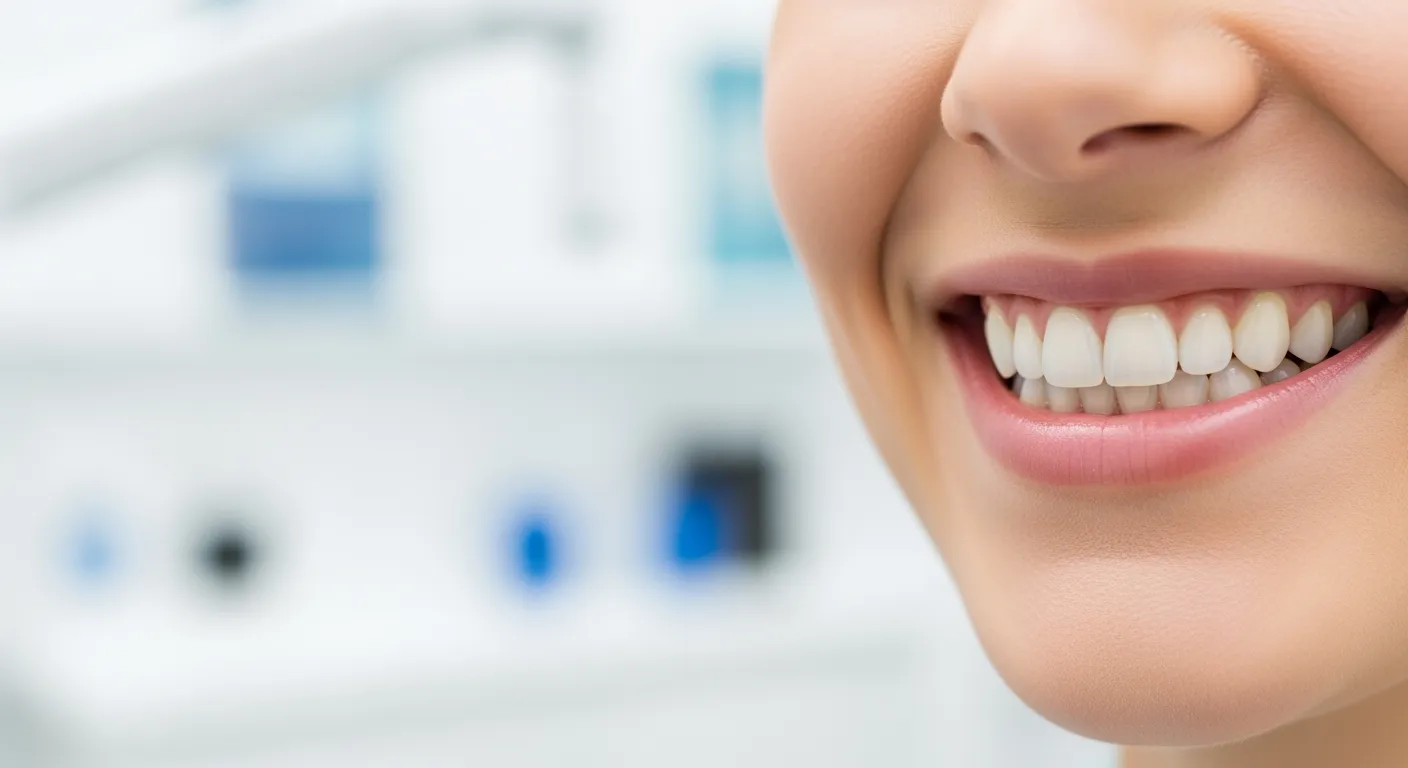
A tiny chip on a front tooth can feel much bigger than it is. Same with a narrow gap, a worn edge, or a spot that never quite matches the rest of your smile. Dental bonding often comes up in these situations because it is one of the simplest ways to improve a tooth without turning treatment into a long project.
If you have heard the term but are not sure what it actually involves, here is the short version. Dental bonding uses a tooth-colored resin that a dentist shapes directly onto your tooth. The material is hardened with a special light, then smoothed and polished so it blends in. Done well, it can be subtle enough that other people only notice that your smile looks a little more even, a little more polished, but cannot say why.
That sounds almost too easy, which is why it helps to understand what bonding can do, where it works best, and where it has real limits.
Dental bonding is a cosmetic and sometimes restorative treatment that uses composite resin, the same family of material often used for tooth-colored fillings. The resin starts soft, almost putty-like, so your dentist can shape it with precision. Once it is in the right place, a curing light hardens it.
The goal is simple. Make a tooth look and function better while preserving as much natural tooth structure as possible.
That last part matters. In many cases, bonding requires little to no drilling. Compared with treatments that may need more reshaping of the tooth, bonding is usually conservative. For people who want a visible improvement without a more involved procedure, that is often the main reason it appeals.
The appointment is usually straightforward, especially when the change is small. A single chipped tooth, for example, can often be treated in one visit.
Here is what typically happens:
Your dentist examines the tooth and talks through your goals. Bonding works best when the concern is relatively minor and the tooth is otherwise healthy.
A shade is chosen to match the surrounding teeth as closely as possible.
The tooth surface is lightly prepared so the resin can adhere properly. This usually means gentle roughening and a conditioning liquid.
The resin is applied, shaped, and sculpted by hand.
A curing light hardens the material.
The bonded area is trimmed, refined, and polished so it feels natural and blends with your smile.
Most people are surprised by how little drama is involved. Bonding often does not require anesthesia unless it is also being used to treat decay or repair a damaged area near a sensitive part of the tooth.
Bonding is not the answer to every dental concern, but it is genuinely useful for a lot of everyday smile issues.
It is often used to repair chipped or cracked teeth, especially on the front where appearance matters most. It can close small gaps between teeth when orthodontics is not necessary or when someone wants a quicker cosmetic change. It can reshape teeth that look too short, uneven, or slightly misshapen. It can also cover certain stains or discoloration that whitening will not fix.
Sometimes the benefit is cosmetic, sometimes functional, and often a bit of both. A smooth repaired edge on a chipped tooth can feel better against your lips and tongue, not just look better in photos.
Bonding tends to attract people who want improvement without overcomplicating things. I think that is fair. Not every concern calls for a major cosmetic treatment.
One reason people like bonding is speed. In many cases, you can walk in with a chip or small gap and leave the same day with a visible change. Another reason is cost. Bonding is often less expensive than porcelain veneers or crowns, especially when only one or two teeth need attention. It is also more conservative, which matters if you want to keep as much natural tooth as possible untouched.
There is also something appealing about the flexibility. Bonding can be a great option if you want to test a subtle shape change before committing to something more permanent later. Some patients like that it can improve a smile without locking them into a bigger treatment plan.
That said, fast and affordable does not mean casual. The result still depends heavily on careful shade selection, sculpting, bite adjustment, and polish. The difference between bonding that looks obvious and bonding that disappears into your smile is often the skill and judgment behind it.
This is the part people should hear before getting too excited. Bonding is useful, but it is not magic.
Composite resin is durable, but it is not as stain-resistant or as strong as porcelain. If you drink a lot of coffee, tea, or red wine, the material can pick up color over time. If you bite your nails, chew ice, or grind your teeth, bonding may chip or wear faster than you would like.
It is also not ideal for every structural problem. A heavily damaged tooth may need a crown. A large bite issue may need orthodontic treatment or a broader restorative plan. If the underlying problem is alignment, grinding, or decay, simply adding resin to the front of a tooth may not solve much for long.
That is why a proper assessment matters. The right treatment is not always the most talked-about one. Sometimes bonding is perfect. Sometimes it is a temporary step. Sometimes it is the wrong tool.
People usually want a clean number here, but real life is messier. Dental bonding can last several years, and in many cases somewhere around 3 to 10 years is a reasonable expectation. The exact lifespan depends on where the bonding is placed, how much material was used, your bite, and your habits.
A small bonded area on a tooth that gets little pressure may hold up very well. Bonding on the edge of a front tooth in someone who clenches at night may need maintenance sooner.
The good news is that bonding can often be repaired or refreshed without starting from scratch. If a small section chips, your dentist may be able to add to it or polish it again.
Caring for bonded teeth is not complicated, but it does require some common sense.
Brush twice a day with a non-abrasive toothpaste. Floss daily. Keep up with routine cleanings and checkups. If you grind your teeth, ask about a night guard. Avoid using your teeth as tools, which sounds obvious until you catch yourself opening a package with them.
It also helps to be realistic about staining. Bonded material does not respond to whitening in the same way natural teeth do, so if you are planning to whiten your smile, it is often better to do that before bonding. Otherwise, the bonded tooth may end up matching your old shade while the surrounding teeth get brighter.
A few habits are especially rough on bonding:
chewing ice
biting pens or fingernails
frequent clenching or grinding
opening things with your teeth
None of this is glamorous advice, but it is the stuff that makes restorations last.
Bonding is a good fit when the change you want is relatively modest and your teeth and gums are healthy. It works especially well for small cosmetic repairs, minor reshaping, and quick improvements that do not require major alteration of the tooth.
It may not be the best option if you want a dramatic smile makeover, if you have significant wear from grinding, or if the tooth needs more structural support. In those cases, veneers, crowns, orthodontics, or another treatment may make more sense.
This is where the conversation with your dentist really counts. A good consultation should cover more than appearance. It should look at your bite, tooth health, habits, long-term goals, and what kind of maintenance you are comfortable with. If you want to see what a patient-centered approach looks like, you can learn more about Duo Dental Clinic, including its focus on personalized care and modern dental technology.
Dental bonding sits in a sweet spot that a lot of people appreciate. It is conservative, relatively quick, and often surprisingly effective. For the right person, it can fix the thing that has quietly bothered them for years without turning treatment into something intimidating.
I like bonding because it is practical. It does not pretend to be the answer to everything. It just solves the right problems well.
If you are bothered by a chip, a small gap, or a tooth that looks a little off, bonding may be worth asking about. Sometimes the best dental treatment is the one that makes a clear difference without making your life harder.
Get Started Today
Your oral health matters. Whether you’re visiting for preventive care or urgent treatment, our experienced and caring team is here to help.
.svg)